Practical savings guides
Build savings without making life miserable
Plain guides for households that want a cash cushion: emergency funds, savings accounts, discounts and everyday habits, plus tools that run in your browser.
- 12 guides
- 5 topics
- 4 tools
Pick a topic
Start with the savings question you have right now.

Start with these
The guides most people need first. Swipe through.
 1 hour to plan, then ongoingFreeHow Much to Keep in an Emergency Fund
 1 hour to start, then ongoingFreeHow to Build a Savings Habit on a Tight Income
 About 1 hourFreeAre High-Yield Savings Accounts Worth It?
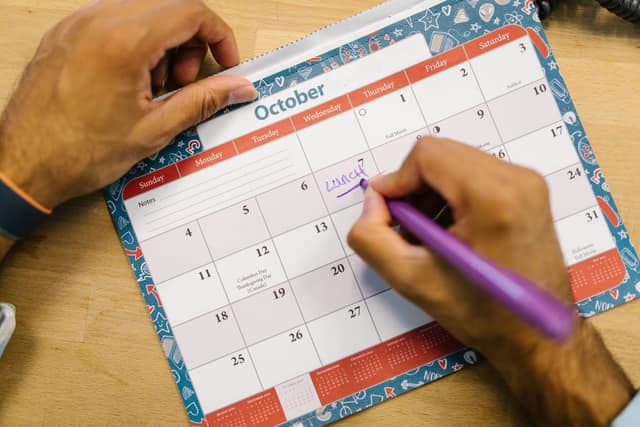 1 to 2 hours to set upFreeSinking Funds for Irregular Expenses: How to Start
 20 minutes a weekFreeDoes Couponing Save Money? What the Math Shows
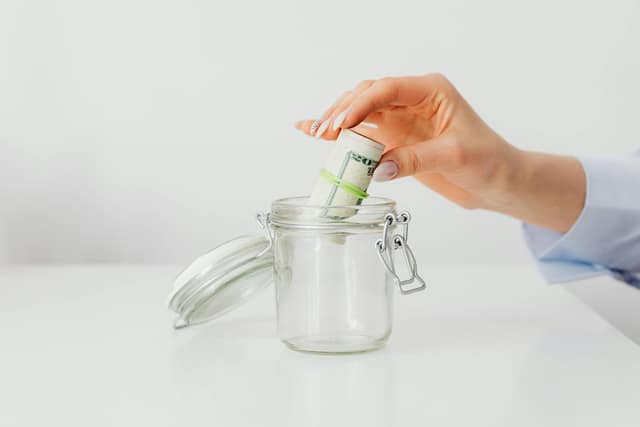 Ongoing habitFreeFrugal Habits That Save Money Every Month
 A few hours over a monthFreeSmall Savings vs Big Expenses: Where to Focus
 A few minutes a weekFreeStacking Cashback Apps and Cards: How It Works
New here?
Not sure where to start?
The start-here page gives you a simple order to follow, with links to the most useful guides and tools.
Start hereAll guides
Browse every guide by topic.
Frugal TipsHow to Compare Grocery Unit Prices Without Buying More Than You Need
Frugal TipsHow to Audit Your Subscriptions and Count the Savings Correctly
Emergency Fund · FreeHow to Build a Savings Habit on a Tight Income
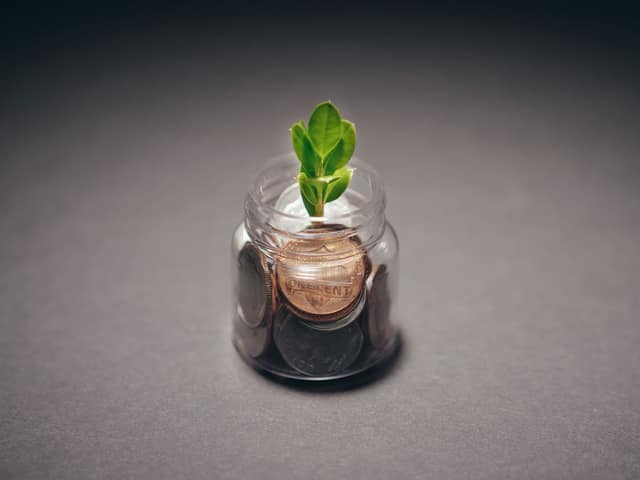 Frugal Tips · FreeKeep Small Savings From Turning Into Extra Spending
 High-Yield Savings · FreeAutomatic Savings: When to Automate and When Not To
Emergency Fund · FreeSinking Funds for Irregular Expenses: How to Start
Frugal Tips · FreeSmall Savings vs Big Expenses: Where to Focus
Frugal Tips · FreeFrugal Habits That Save Money Every Month
Cashback · FreeStacking Cashback Apps and Cards: How It Works
Couponing · FreeDoes Couponing Save Money? What the Math Shows
High-Yield Savings · FreeAre High-Yield Savings Accounts Worth It?
Emergency Fund · FreeHow Much to Keep in an Emergency Fund
High-Yield Savings · FreeAutomatic Savings: When to Automate and When Not To
Emergency Fund · FreeSinking Funds for Irregular Expenses: How to Start
Frugal Tips · FreeSmall Savings vs Big Expenses: Where to Focus
Frugal Tips · FreeFrugal Habits That Save Money Every Month
Cashback · FreeStacking Cashback Apps and Cards: How It Works
Couponing · FreeDoes Couponing Save Money? What the Math Shows
High-Yield Savings · FreeAre High-Yield Savings Accounts Worth It?
Emergency Fund · FreeHow Much to Keep in an Emergency Fund
Emergency Fund · FreeHow to Build a Savings Habit on a Tight Income
Frugal Tips · FreeKeep Small Savings From Turning Into Extra Spending
High-Yield Savings · FreeAutomatic Savings: When to Automate and When Not To
Emergency Fund · FreeSinking Funds for Irregular Expenses: How to Start
Frugal Tips · FreeSmall Savings vs Big Expenses: Where to Focus
Frugal Tips · FreeFrugal Habits That Save Money Every Month
Cashback · FreeStacking Cashback Apps and Cards: How It Works
Couponing · FreeDoes Couponing Save Money? What the Math Shows
High-Yield Savings · FreeAre High-Yield Savings Accounts Worth It?
Emergency Fund · FreeHow Much to Keep in an Emergency Fund
Tools you can use today
No sign-up. They work on the page.
Savings Growth Calculator: Compare Two Interest RatesEnter a starting amount, a monthly deposit, years and a yearly rate to see the balance and interest earned. Compare two rates side by side. Formula shown.Subscription Audit Worksheet: Annual Cost of Recurring BillsA printable worksheet to list subscriptions and recurring costs, turn each into a yearly figure (monthly x 12) and mark what to cancel or review.30-Day Spending Pause Planner (Tick-Off and Printable)A tickable, printable 30-day planner for pausing non-essential spending: set your rules first, tick each day, and decide where the unspent money goes.Choosing a Savings Account Type: What to CompareCompare savings accounts, money market accounts and CDs by access, fees, insurance and rate type, with a short checklist. No rates or account names.
- Checked against sourcesFigures are compared with published guidance and dated.
- No brand pitchesProduct types and typical prices. No affiliate links.
- Fixes are loggedWhen a guide changes, it is recorded with the date.