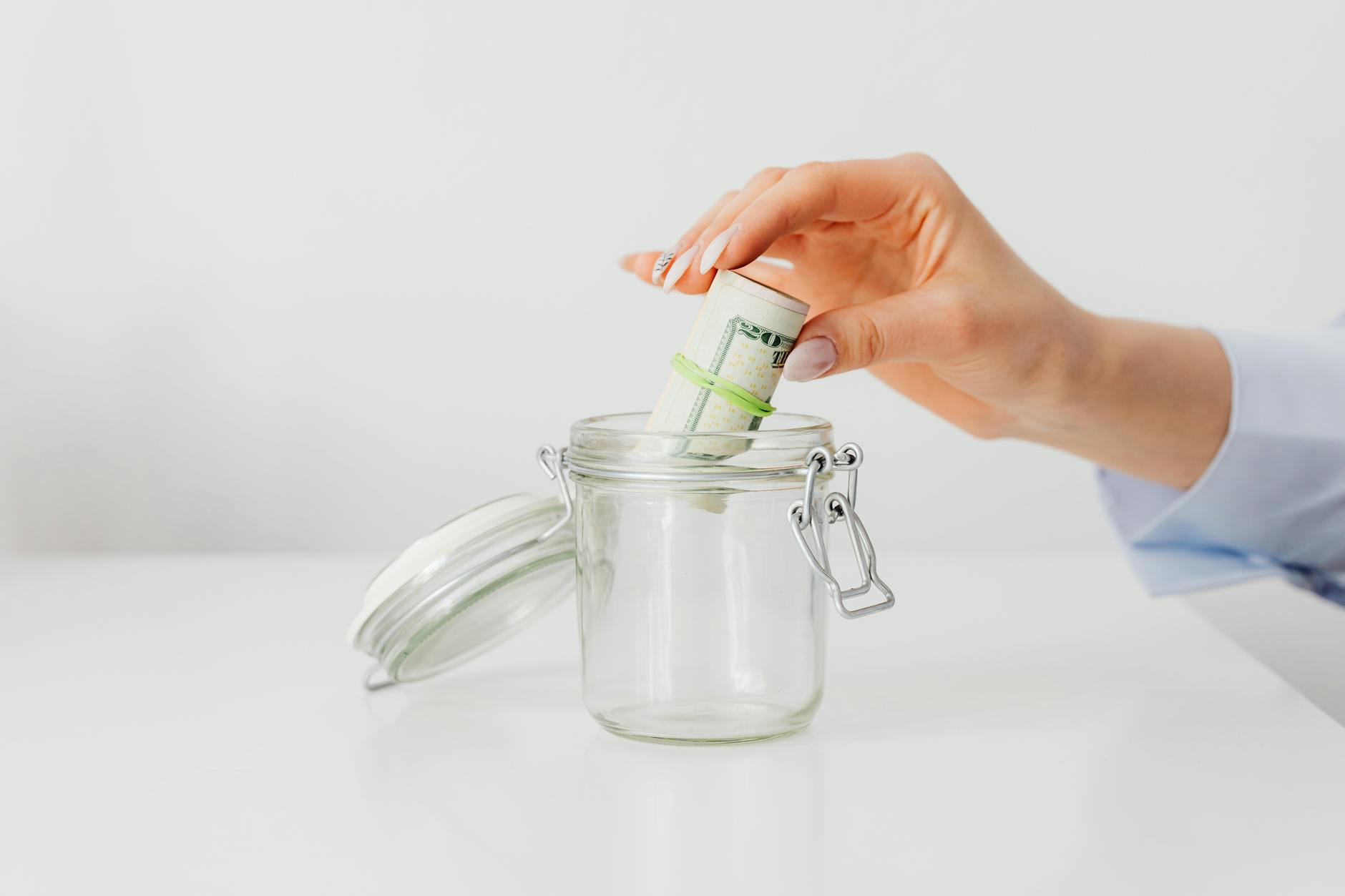
The frugal habits that save the most each month are the boring recurring ones: planning meals, reviewing subscriptions, negotiating or shopping around for fixed bills, waiting before non-essential purchases, and keeping a short list of spending rules. None of them require deprivation. How much they free up depends entirely on where your money is leaking now, so the dollar amounts below are illustrations to swap for your own.
The trick is to pick habits that match your biggest spending categories, not to adopt every tip at once.
Why recurring habits beat one-time sacrifices
A one-time cut, like skipping a coffee, saves a few dollars. A habit that runs automatically saves money every month without a decision. Compare two cases:
- Skipping a $6 coffee once saves $6.
- Canceling a $15 subscription you do not use saves $180 a year, with no effort after the first click.
Habits also compound with the time you stick to them. Saving $200 a month for five years is $12,000 before any interest. The monthly figure matters less than whether you can sustain it, which is why habits that feel punishing tend to fail within a few weeks.
Habits for food, the most flexible category
Food is often the largest flexible expense, and small process changes beat strict budgets:

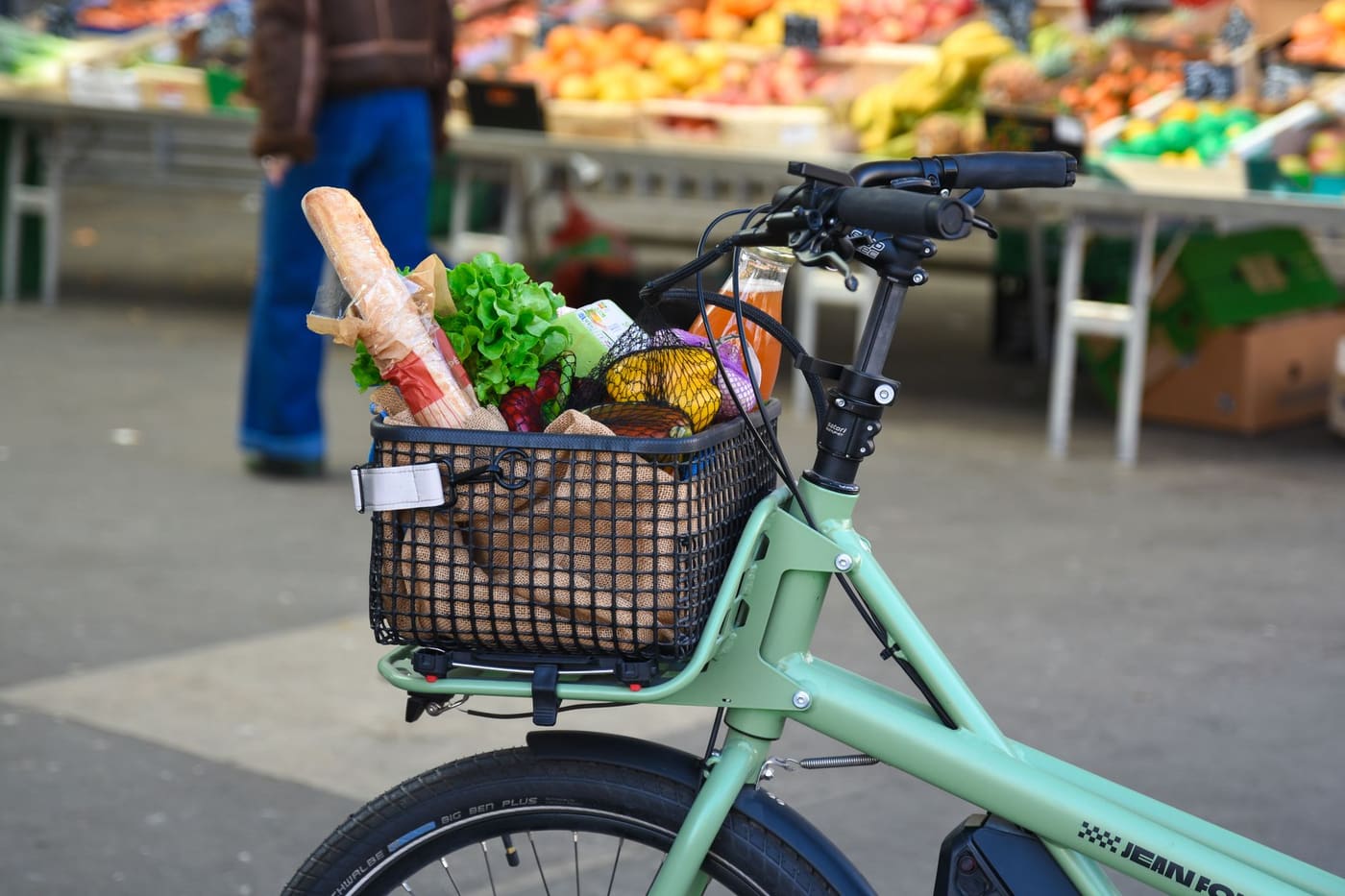
- Plan three to five dinners a week. A loose plan reduces last-minute takeout. A delivery order with fees and tip often costs well above what the same meal costs at home.
- Shop with a list and after eating. Impulse items add up, and a list makes them easier to spot.
- Cook once, eat twice. Make a double batch of chili, rice, or roasted vegetables and use leftovers for lunch. A $4 homemade lunch versus a $13 purchased one saves about $9 a day, roughly $180 over 20 workdays.
- Use up what you have. Food waste is money in the trash. Keep a “use first” shelf in the fridge.
- Compare unit prices. The price per ounce or per pound on the shelf tag is a quick way to see whether the larger or store-brand option is actually cheaper.
If you eat out often, you do not need to stop. Cutting from eight restaurant meals a month to four at $25 each saves about $100.
Habits for recurring bills and subscriptions
Fixed costs are where one hour of work can save money for a year:
- Audit subscriptions every quarter. Scan your bank and card statements for streaming, apps, memberships, and software. Cancel anything you have not used in 30 days. Five forgotten subscriptions at $10 each is $600 a year.
- Shop your insurance. Auto and renters or homeowners policies vary widely in price for the same coverage. Getting a few quotes once a year or at renewal is a common way to find savings. Compare the same coverage levels, not just the premium.
- Ask about your phone and internet bills. Call and ask whether a lower plan or loyalty rate is available. Reducing a $90 internet bill to $65 saves $300 a year.
- Check for bank fees. Monthly maintenance fees, overdraft fees, and ATM fees are optional once you know where they come from. Many accounts waive them with direct deposit or a minimum balance.
- Review automatic renewals. Annual plans often renew at higher prices than the introductory rate.
Pricing, discounts, and rules vary by company and region, so treat these as prompts to check, not guarantees.
Habits for shopping and impulse spending
Impulse spending usually comes from boredom, stress, or a convenient checkout button. Friction helps:
- Use a waiting period. For non-essential purchases above a set amount, such as $50, wait 48 hours. Many wants fade. A longer wait of 30 days is common for bigger items.
- Remove saved payment details from shopping sites and unsubscribe from promotional emails.
- Make a “wish list” instead of buying. Write down the item and the date. Revisit it in a month.
- Buy used for durable goods. Furniture, tools, kids’ clothes, and books are often available secondhand at a fraction of the new price.
- Repair before replacing. A $15 shoe repair or a $40 fix may extend an item’s life by years.
If you are curious about the discount side of spending, the article on whether couponing actually saves money separates the deals that help from the ones that backfire.
Habits for home, energy, and transportation
These categories are often the biggest and the least reviewed:
- Energy. Lower the thermostat by a few degrees in winter and raise it in summer when you can. Swap incandescent bulbs for LEDs, and unplug or use a power strip for devices that sit idle. Savings vary widely by home, climate and local prices, so check your own bills before and after.
- Water and heating. Fix dripping taps and running toilets, which can waste significant water.
- Car costs. Keep tires properly inflated, follow the maintenance schedule, and combine errands. Compare insurance and refinance terms periodically if you have a loan.
- Transportation alternatives. Replacing even a few car trips a week with walking, biking, or transit lowers fuel and wear.
Do not skip needed maintenance to save in the short term. Deferred oil changes, brakes, or roof repairs usually cost more later.
A simple table of habits by effort and payoff
| Habit | Effort | Typical monthly impact (illustrative) |
|---|---|---|
| Cancel unused subscriptions | Low, one time | $20 to $60 |
| Plan meals and cook more at home | Medium, ongoing | $75 to $250 |
| Shop around for insurance | Low, yearly | $15 to $60 |
| Negotiate phone or internet | Low, yearly | $10 to $35 |
| 48 hour wait on non-essentials | Low, ongoing | $25 to $150 |
| Energy-saving basics | Low | $10 to $30 |
These ranges depend on your current spending, so some people will see less and others more. The point of the table is to rank where effort pays off, not to promise a number.
How to keep the habits from taking over your life
The goal is a sustainable system, not a contest. A few guardrails help:
- Choose two or three habits at a time. Add another only when the first ones run on their own.
- Keep a “fun” line in the budget. A small amount you can spend without guilt, such as $40 a month, prevents the burnout that leads to binge spending.
- Redirect the savings immediately. When a habit frees $50, move it to savings right away so it does not disappear. The article on keeping small savings wins from turning into extra spending covers this problem in detail.
- Track results once a month. Compare your actual spending in each category to the previous month. If a habit saves less than you expected, drop it and try another.
Downsides and when frugality backfires
Frugal habits stop paying when they cost more in time, health, or stress than they save. Examples:
- Driving across town for a $2 savings on groceries can cancel the savings in gas and time.
- Buying the cheapest version of items that wear out quickly may cost more over time than a durable one.
- Cutting needed medical care, insurance coverage, or home maintenance to save now can lead to larger bills later.
- Spending hours chasing small deals while ignoring a large cost, such as rent or a car payment, is a poor trade. The article on when to stop chasing small savings and fix the big expenses helps you decide where your time is best spent.
Frugality is also not a replacement for earning more. If your essentials already exceed your income, habits help at the margin, but the larger fix is on the income or fixed-cost side.
To find recurring charges worth reviewing, use the subscription audit worksheet.
Where this comes from
This is a common-sense guide rather than a study. It is based on general consumer budgeting practice, on the CFPB’s point that saving automatically makes savings consistent, and on simple arithmetic you can repeat with your own numbers. The monthly impact ranges are illustrations, not promises. Prices, discounts and fees change, so check current terms with each provider. This is general information, not personal financial advice.